
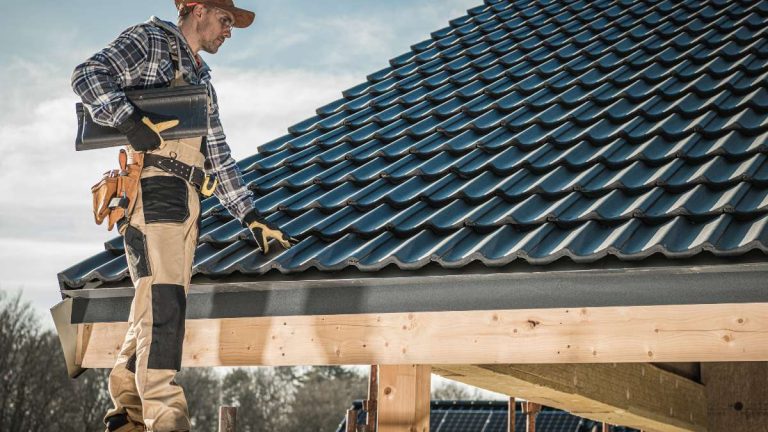
Colorbond roof repair offers numerous advantages, including exceptional durability, aesthetic versatility, and energy efficiency. We’ve found it’s resistant to rust, corrosion, and extreme weather, often lasting 30-50 years.
It’s lightweight, reduces structural stress, and comes in 22 modern colours. The material’s thermal properties can lower energy bills, and it’s 100% recyclable.
However, there are drawbacks to take into account. It requires periodic refinishing, can be noisy during rainfall, and modifications for air conditioning can complicate repairs.
Proper installation by qualified professionals is essential for maximizing benefits and minimizing potential issues. Exploring these factors in depth will help you make an informed decision.
What Is Colorbond Roofing?
Colorbond roofing is a high-quality steel roofing system designed specifically for Australian conditions. We’ve seen its performance over the past 50 years, proving its ability to withstand our harsh climate. This roofing material consists of steel coated with a zinc-aluminum alloy, providing exceptional protection against rust and corrosion.
Colorbond roof repairs often include addressing issues with flashing, which is vital for preventing leaks and home damage. Regular maintenance and inspections can help identify potential problems before they escalate.
One of the Colorbond advantages is its five-layer protective system, which includes a top coat and metallic coating. Additionally, Colorbond offers 22 modern colour options, allowing for aesthetic customization that can enhance a property’s overall appearance.
Another notable feature is its lightweight nature. Compared to traditional materials like terracotta or concrete tiles, Colorbond roofing weighs considerably less.
However, it’s important to take into account potential Colorbond disadvantages. While it’s designed to withstand extreme weather, including high winds and intense heat, it may still require repairs or maintenance over time.
Durability and Longevity
When considering roof repairs, durability and longevity are key factors. Colorbond Roofing excels in these areas, offering a lifespan of 30 to 50 years. This extended durability is due to its unique material composition, which includes five protective layers: a steel base, metallic coating, pre-treatment, primer, and top coat.
The multi-layered structure of Colorbond roofing provides superior weather resistance, making it highly resistant to chipping, peeling, and cracking. We’ve found that Colorbond roofs withstand harsh Australian conditions exceptionally well, including exposure to UV rays, heavy rainfall, and extreme temperatures.
Another advantage of Colorbond roofing is its non-combustible nature and termite resistance, making it an ideal choice for bushfire-prone areas. The lightweight design also minimizes structural strain, further contributing to its longevity by reducing the risk of sagging or cracking.
When repairing Colorbond roofs, we’re often impressed by their durability. The material’s robust construction means that repairs, when needed, are typically less extensive and more cost-effective compared to other roofing materials.
Aesthetic Appeal and Versatility
With 22 modern colour options available, Colorbond roofing offers homeowners unparalleled aesthetic versatility. This extensive palette allows for colour customization that can achieve architectural harmony with any home design. The colour-bonding process guarantees long-lasting vibrancy, reducing the need for frequent repainting and maintaining the roof’s visual appeal over time.
Certified contractors specializing in Colorbond roof repairs can provide expert advice on colour selection and maintenance to maximize the roof’s aesthetic impact.
Colorbond’s lightweight design contributes to its versatility, accommodating various architectural styles and structural requirements. Its excellent spanning capabilities enable column-free spaces, enhancing the overall visual impact of buildings.
We’ve observed that Colorbond roofs can noticeably increase property value and curb appeal, making them a preferred choice for modern homeowners and builders alike.
Key benefits of colour bond’s aesthetic appeal and versatility include:
- Customizable colour options to match any architectural style
- Long-lasting colour retention due to the bonding process
- Ability to create visually striking, column-free spaces
Energy Efficiency Benefits
Thanks to its innovative Thermatech® technology, Colorbond roofing offers considerable energy efficiency benefits. This advanced feature enhances solar reflectance, effectively reducing the amount of heat absorbed by the roof. As a result, we’ve observed that indoor temperatures remain lower during hot weather, leading to decreased reliance on air conditioning and substantial energy savings.
The lightweight nature of Colorbond roofing contributes to its superior thermal performance. By allowing for better insulation, it helps maintain comfortable indoor temperatures year-round, reducing the need for excessive heating and cooling.
We’ve found that Colorbond roofs can reflect up to 70% of solar energy, considerably impacting overall energy efficiency.
Installation and Maintenance Considerations
Let’s examine the installation and maintenance aspects of Colorbond roofs. While these roofs are known for their ease of installation, it’s essential to engage qualified professionals to guarantee compliance with Australian standards and maximize longevity.
TMR Roofing’s expertise in Colorbond installation guarantees high-quality results that withstand local climate challenges.
Ease of Installation
Colorbond roof repair simplifies the installation process considerably. The lightweight nature of Colorbond materials allows for easier handling and reduced strain on existing structures.
The interlocking design of Colorbond sheets facilitates quick assembly and reduces the number of joints requiring sealing. This feature, combined with the material’s adaptability to various weather conditions, enhances efficiency during the repair process. We’ve observed that Colorbond roofing offers several advantages regarding installation:
- Reduced installation time and labor costs
- Minimal maintenance requirements during installation
- Versatility in different weather conditions
Safety considerations are also simplified with Colorbond roof repair. The lightweight material reduces the risk of injury during handling and installation.
Additionally, its design promotes better water drainage and snow sliding, minimizing the potential for water pooling and subsequent damage.
Longevity and Durability
A roof’s longevity and durability are paramount considerations when evaluating repair options. When it comes to Colorbond roof repair, we’re looking at a material designed to stand the test of time. With a lifespan exceeding 30 years when properly installed and maintained, Colorbond roofing offers exceptional durability.
The five protective layers in Colorbond roofing provide enhanced weather resistance, reducing the frequency of required repairs. This robust construction allows the material to withstand harsh conditions, resisting chipping, peeling, and cracking.
However, it’s essential to note that proper installation by qualified professionals is essential for maximizing Colorbond’s longevity. Incorrect repair techniques can lead to premature wear and potential structural issues. While Colorbond roofs may require refinishing or repainting every decade, the overall maintenance efforts are considerably reduced due to their baked-on finish.
Maintenance Requirements
While Colorbond roofs offer impressive longevity, they’re not entirely maintenance-free. Regular upkeep is necessary to guarantee peak performance and extend the lifespan of your Colorbond roof. We recommend considering the following maintenance aspects:
- Regular inspections to identify potential issues early
- Timely repairs to prevent minor problems from escalating
- Proper installation of additional features like air conditioning systems
Colorbond upkeep is generally less demanding compared to traditional roofing materials. However, it’s important to understand that maintenance frequency can vary depending on environmental factors and installation quality. While the baked-on finish resists chipping, peeling, and cracking, we’ve found that Colorbond roofs may require complete replacement approximately every ten years.
To maximize your Colorbond roof’s lifespan, we suggest:
- Scheduling annual professional inspections
- Cleaning gutters and downpipes regularly
- Addressing any damage promptly
Cost Analysis
When considering Colorbond roof repair, we must weigh initial costs against long-term savings. We’ll examine how the upfront expenses of repair compare to potential replacement costs over time.
Initial vs. Long-term Expenses
Cost considerations play an essential role in deciding on Colorbond roof repairs. When comparing initial costs to long-term expenses, we find that Colorbond often offers a more economical solution. Initially, Colorbond repairs are typically less expensive than traditional materials, providing immediate relief for homeowners on a budget. However, the real value lies in the long-term savings.
colorbond’s durability translates to:
- Fewer replacements over time
- Less frequent maintenance
- Lower structural support costs due to its lightweight nature
While Colorbond roofs may require refinishing or repainting every decade, this expense is generally lower than the ongoing maintenance needed for traditional roofing materials. The lightweight properties of Colorbond also contribute to reduced installation and repair costs, as less structural support is necessary.
Cost-saving Maintenance Benefits
Examining the cost-saving maintenance benefits of Colorbond roof repairs reveals considerable advantages for homeowners. We’ve found that Colorbond roofing’s durability greatly reduces long-term maintenance costs.
The initial installation of Colorbond roofs is often 10-15% cheaper than tiled alternatives, offering immediate savings. Its lightweight design further reduces structural load, potentially lowering framing and support costs during installation. Let’s compare key maintenance aspects:
| Aspect | Colorbond | Traditional Roofing |
|---|---|---|
| Repainting | Rarely needed | Regular |
| Chipping/Peeling | Resistant | Common |
| Warranty Coverage | Extensive | Limited |
| Repair Options | Simple | Complex |
| Energy Efficiency | High | Moderate |
Colorbond’s baked-on finish resists chipping and peeling, eliminating the need for frequent repainting.
Moreover, Colorbond’s thermal efficiency can lead to considerable energy savings. Its solar reflective technology helps maintain cooler interiors, potentially reducing air conditioning costs over time.
Environmental Impact
Three key environmental benefits make Colorbond roof repair an eco-friendly choice. First, it’s 100% recyclable, considerably reducing landfill waste and promoting sustainability practices.
Second, its manufacturing process is designed to minimize environmental impact, utilizing efficient transportation methods to lower carbon emissions.
Third, Colorbond roof installation generates less on-site waste compared to traditional roofing materials. Expert roof plumbers recommend Colorbond roofing for its durability and eco-friendly properties, which align with modern environmental standards.
The environmental advantages of Colorbond roofing extend beyond its production and installation:
- Enhances energy efficiency in homes
- Lowers energy consumption and reduces carbon footprints
- Complies with modern environmental standards
Potential Drawbacks
Despite its many advantages, Colorbond roof repair comes with several potential drawbacks. We’ve identified key issues that homeowners should consider:
| Issue | Impact |
|---|---|
| Maintenance | Refinishing every 10 years |
| Noise | Significant during rainfall |
| Authenticity | Counterfeit concerns |
| Modifications | Complications with AC installation |
Maintenance costs can add up over time, as Colorbond roofs may require refinishing or repainting approximately every decade. This periodic upkeep is vital to maintain the roof’s aesthetic appeal and protective qualities.
Noise reduction is another consideration. Rain can be significantly loud on Colorbond roofs, potentially necessitating the installation of acoustic blankets for a quieter indoor environment.
Counterfeit concerns are a real issue in the market. We strongly advise homeowners to verify they’re sourcing genuine Colorbond materials to avoid future problems that may arise from subpar imitations.
Lastly, modifications like installing air conditioning systems can complicate the roofing structure. Cutting into the Colorbond roof for such additions may compromise its integrity if not done properly.
Choosing a Professional Installer
While considering the potential drawbacks is important, selecting the right professional for Colorbond roof repair is equally vital. Choosing a qualified installer guarantees adherence to industry standards and compliance with Australian regulations, which is essential for long-term durability.
Experienced professionals are well-versed in the specific installation techniques required for Colorbond roofing, minimizing risks such as leaks or thermal expansion issues.
When selecting an installer, we recommend focusing on:
- Certifications and qualifications specific to Colorbond roofing
- Experience with similar projects and positive customer reviews
- Ability to provide clear project timelines and warranties on workmanship
Frequently Asked Questions
What Is the Life Expectancy of a Colorbond Roof?
We typically see Colorbond roofs lasting 30+ years with proper care. However, their lifespan can vary based on installation quality and regular maintenance. While initial installation costs may be higher, long-term durability often justifies the investment.
Do Colorbond Roofs Leak?
Colorbond roofs rarely leak when properly installed and maintained. We’ve found that regular maintenance enhances Colorbond longevity, minimizing leak risks. However, neglect or improper installation can lead to issues. We recommend periodic inspections to guarantee peak performance.
Is Colorbond Roof Worth It?
We believe Colorbond roofs are worth it. They offer low colorbond maintenance requirements and exceptional durability. The colorbond aesthetics provide a modern look with various colour options. Their longevity and weather resistance make them a sound investment for homeowners.
What Are the Disadvantages of Colorbond Cladding?
We’ve found that Colorbond cladding has some drawbacks. It can present installation challenges, especially for air conditioning units. There are ongoing maintenance requirements, including periodic refinishing. It may also increase indoor temperatures and amplify rain noise.
Final Thoughts
We’ve covered the key aspects of Colorbond roof repair, highlighting both its strengths and weaknesses. Colorbond offers durability, aesthetic appeal, and energy efficiency benefits. However, it’s not without its challenges, including potential cost and installation considerations.
As with any roofing decision, it’s essential to weigh these factors against your specific needs and budget. We recommend consulting with a professional installer to determine if Colorbond is the right choice for your roofing project.