
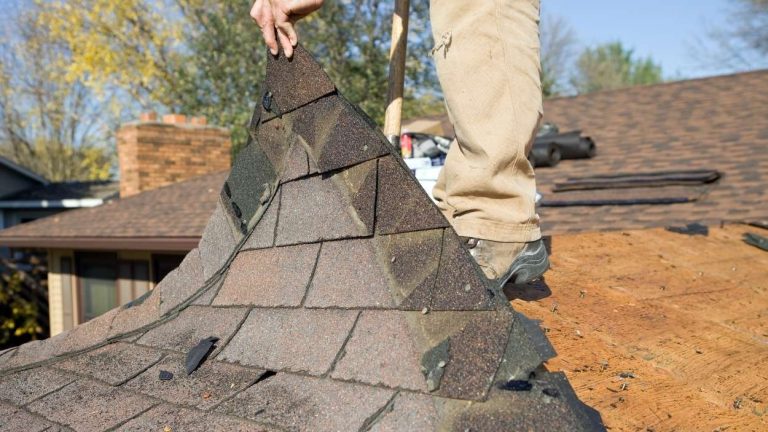
We’ve identified key signs that indicate your roof needs restoration. Look for visible damage like cracked or missing tiles, curling shingles, and sagging sections. Water stains on ceilings and walls often signal leaks, while mould growth suggests persistent moisture issues.
Excessive granule loss from shingles and daylight peeking through roof boards are red flags. If you’re experiencing increased energy bills, it could be due to poor insulation or ventilation.
Don’t forget to take into account your roof’s age; most asphalt shingles last 20-25 years. Understanding these indicators can help you prevent costly damage and maintain your home’s integrity. Let’s explore each sign in detail.
Visible Roof Damage
Your roof’s visible damage serves as an essential indicator that restoration may be necessary. When conducting a roof inspection, we look for several key signs that point to potential issues. Cracked or missing tiles are a significant concern, as they create openings for water intrusion.
Regular free roof inspections can help identify these issues early, potentially saving you from costly repairs and ensuring the longevity of your roof.
We also pay close attention to the condition of shingles. Curling or buckling shingles indicate ageing and wear, compromising your roof’s protective capabilities. A sagging roofline is another critical issue we inspect, as it often signals underlying structural problems that require immediate attention to prevent further deterioration and safety hazards.
Inside your home, water stains on ceilings and walls are telltale signs of roof leaks. These require urgent evaluation to identify and repair the source of moisture. During our inspections, we also check gutters for excessive granule loss from shingles.
Water Stains and Leaks
We frequently encounter ceiling discolouration patterns as telltale signs of roof leaks. These stains often manifest as yellowish or brownish marks, ranging from small spots to large, irregular patches on ceilings or walls. Our licensed professionals conduct thorough assessments to identify and address these issues promptly, ensuring compliance with Victorian regulations.
Regular roof checks are essential in preventing such costly damages. Additionally, persistent dripping sounds during rainfall, even when not visibly noticeable, can indicate hidden leaks that require immediate professional assessment.
Ceiling Discoloration Patterns
Ceiling discolouration patterns are telltale signs of potential roof leaks and water damage. We often encounter these issues during our ceiling inspections, which reveal dark spots or trails indicative of moisture intrusion.
The size and shape of these stains can provide valuable information about the severity of the problem. Larger discoloured areas typically suggest more extensive moisture issues that require immediate attention.
When we perform a moisture assessment, we look for multiple stains across the ceiling. This pattern often points to systemic roof problems rather than isolated leaks, indicating a need for thorough restoration. We’re particularly concerned when we see bubbling or peeling paint accompanying water stains, as this suggests prolonged moisture exposure that can lead to structural damage and mould growth.
If you notice any unusual patterns or colour changes on your ceiling, it’s essential to contact us promptly for a professional inspection.
Persistent Dripping Sounds
During quiet moments, persistent dripping sounds within your home can be more than just an annoyance—they’re often a clear indicator of roof leaks. As experts in roof restoration, we emphasize the importance of drip detection and sound analysis in identifying potential roofing issues.
These sounds, particularly when accompanied by visible water stains on ceilings or walls, suggest ongoing moisture problems that require immediate attention. Dark spots or trails on interior surfaces are telltale signs of water infiltration, which can quickly escalate if left unchecked. We’ve found that when dripping sounds coincide with visible leaks, they often point to cracks or holes in the roof structure.
Time is of the essence when dealing with water leaks. Within 24 hours of moisture exposure, mould can begin to grow, posing health risks and increasing restoration costs. That’s why we recommend regular inspections to catch these issues early.
Mold and Mildew Growth
Mould and mildew growth on your roof isn’t just an eyesore; it’s a serious health hazard and a clear indicator of moisture problems. Regular roof inspections can help detect these issues early, preventing extensive damage and costly repairs.
Our team of experts specializes in identifying and addressing mold-related roofing problems efficiently. We’ve seen how these fungi can compromise your property’s value and structural integrity, often signalling underlying issues that require immediate attention.
If you spot any signs of mould or mildew, it’s essential to address the root cause promptly to protect your home and health.
Health Risks and Dangers
When left unchecked, roof damage can lead to severe health risks associated with mould and mildew growth. Moisture from roof leaks can create an ideal environment for mould to thrive, potentially developing within 24 hours of exposure.
Regular roof inspections are essential for mould prevention and maintaining a healthy living environment. We’ve observed that dark spots and stains on ceilings and walls often indicate potential mould growth, signalling the need for immediate roof restoration.
Prolonged exposure to these fungi can result in chronic respiratory conditions, skin irritation, and weakened immune responses.
To illustrate the importance of addressing roof issues promptly, consider the following health risks:
| Health Concern | Cause | Prevention |
|---|---|---|
| Respiratory Disease | Mold Spores | Roof Leak Repair |
| Allergies | Mildew Growth | Gutter Maintenance |
| Skin Irritation | Moisture Exposure | Waterproofing |
| Weakened Immunity | Prolonged Mold Contact | Regular Inspections |
Moisture Indicator Problems
A telltale sign of roof deterioration is the appearance of mould and mildew growth on interior surfaces. We often encounter this issue during our inspections, and it’s a clear indicator of persistent moisture problems.
These unsightly patches, typically dark spots on walls and ceilings, can develop within 24 to 48 hours of water intrusion. It’s essential to address these signs promptly, as they not only compromise air quality but also threaten structural integrity.
Proper moisture detection is important in identifying the root cause of mould growth. We’ve found that inadequate ventilation or drainage solutions often exacerbate these issues. Roofs lacking efficient water management systems are particularly susceptible to moisture accumulation, creating ideal conditions for mould proliferation.
Regular maintenance checks are critical in mitigating these risks. We recommend thorough inspections to detect early signs of water intrusion and implement necessary drainage solutions.
Aesthetic Property Value Impact
The aesthetic appeal of a property can be severely compromised by the presence of mould and mildew growth on roofs. This unsightly issue not only signals underlying moisture problems but also greatly detracts from a home’s curb appeal. As roof restoration experts, we’ve seen how this visual deterioration can negatively impact market perception and, consequently, property values.
Homes with visible mould are often viewed as poorly maintained, which can be a major deterrent for potential buyers. This perception can lead to decreased market value and longer selling times.
We’ve observed that regular roof maintenance and prompt mould remediation are essential for preserving a property’s aesthetic integrity. Neglecting these issues can result in escalating repair costs, as mold growth becomes more extensive over time.
Granule Loss on Shingles
Granule loss on shingles serves as a vital indicator of roof deterioration that homeowners shouldn’t ignore. These granules form a protective coating against UV rays and harsh weather conditions, enhancing the shingles’ granule durability.
When you start noticing an abundance of granules in your gutters or on the ground around your home, it’s a sign that your roof may be approaching the end of its lifespan. Regular roof inspections can help identify this issue early, potentially preventing costly damages and protecting your loved ones from unexpected leaks.
Asphalt shingles typically last 20-25 years and excessive granule loss often signals that replacement time is near. Bald patches on shingles, where granules have worn away, can lead to increased vulnerability to leaks and environmental damage. This loss of protection can accelerate colour fading, affecting both the roof’s appearance and functionality.
We recommend conducting regular inspections to check for granule loss. By catching this issue early, you can potentially save on costly repairs or avoid premature roof replacement.
If you notice significant granule loss or other signs of wear, it’s important to consult a professional roofing service. TMR Roof Plumber Dandenong is equipped to assess your roof’s condition and provide expert advice on necessary repairs or restoration.
Sagging Roof Sections
Over time, sagging roof sections can emerge as one of the most serious indicators that your roof needs immediate attention. Visible sagging compromises the structural integrity of your entire roofing system, potentially leading to severe water pooling and extensive damage.
Sagging often stems from underlying issues that require prompt professional assessment:
- Accumulated snow or debris weight
- Deteriorated roof supports
- Water damage to structural components
- Weakening of roofing materials over time
If you notice any dips or depressions in your roof’s profile, it’s vital to act quickly. Ignoring these signs can lead to a full roof replacement, which is considerably more costly than addressing the problem early. We recommend scheduling a professional inspection immediately if you suspect sagging.
Increased Energy Bills
Unexpectedly high energy bills can often point to underlying roof issues that you might’ve overlooked. We’ve seen countless cases where homeowners are unaware that their roof is the culprit behind soaring utility costs. Insufficient insulation or hidden leaks can lead to considerable heat loss during winter, forcing your heating system to work overtime.
Similarly, in summer, poor ventilation caused by roofing problems can result in overheating, driving up cooling expenses.
To maintain peak energy efficiency, we recommend scheduling regular roof inspections. These check-ups can help identify leaks or insulation gaps that contribute to unexpected spikes in your bills. If you’re noticing a steady increase in energy costs, especially in an older home, it’s time to reflect on a professional assessment. We often find that homes with ageing roofs are more susceptible to these inefficiencies.
In many cases, upgrading to energy-efficient roofing materials can dramatically reduce your energy consumption. Insulation upgrades, when combined with proper roof restoration, can greatly improve your home’s overall efficiency.
Daylight Through Roof Boards
One of the most alarming signs of roof deterioration is the appearance of daylight through your roof boards. This issue indicates potential gaps or holes in your roofing material, which can lead to serious problems if left unaddressed. We can’t stress enough the importance of regular roof maintenance and daylight inspection to catch these issues early.
When daylight penetrates your roof boards, it can result in:
- Water intrusion and further damage
- Increased risk of mould growth and structural deterioration
- Compromised energy efficiency and higher utility bills
- Pest infestation through small openings
Even tiny gaps can have significant consequences, affecting your home’s integrity and comfort. That’s why we recommend a thorough inspection if you notice any daylight coming through your roof.
Curling or Missing Shingles
When we inspect roofs, curling or missing shingles are telltale signs that your roof needs attention. These issues often result from prolonged exposure to harsh weather conditions or inadequate roof maintenance. Curling shingles typically indicate that your roof is approaching the end of its lifespan, which for asphalt shingles is usually 20 to 25 years with proper care.
Missing shingles create vulnerable spots on your roof, increasing the risk of water infiltration and internal leaks. This can lead to extensive water damage if left unaddressed. Additionally, curling shingles often experience granule loss, exposing them to harmful UV rays and accelerating their deterioration.
We can’t stress enough the significance of prompt action when you notice these issues. Neglecting curling or missing shingles can result in more extensive damage, potentially necessitating costly roof restoration or even full replacement.
Regular shingle replacement and consistent roof maintenance are vital in preventing these problems and extending your roof’s lifespan.
Age of Your Roof
The age of your roof is a significant factor in determining whether restoration is necessary. Most asphalt shingle roofs have a lifespan of 20 to 25 years, while metal roofs can last up to 70 years with proper maintenance. As your roof approaches or surpasses the 20-year mark, it’s essential to take into account its condition and potential need for restoration.
Here are key points to reflect on regarding your roof’s age:
- Roofs over 20 years old require more frequent inspections
- Frequent repairs on 10-15 year old roofs may indicate restoration needs
- Signs of ageing include curling shingles, peeling paint, and sagging rooflines
- Investing in restoration for older roofs is often more cost-effective long-term
We recommend evaluating your roof’s age and condition regularly. If you’re unsure about your roof’s installation date, look for signs of wear and tear. Maintenance tips for extending roof lifespan include regular inspections, prompt repairs, and keeping gutters clean.
However, once your roof reaches a certain age, restoration becomes a more practical solution than continued repairs. By addressing age-related issues proactively, you can prevent more extensive damage and guarantee your roof continues to protect your home effectively.
Frequently Asked Questions
How to Know if a Roof Needs to Be Replaced?
We recommend a professional roof inspection to identify warning signs. Look for persistent leaks, visible sagging, excessive shingle granule loss, and frequent repairs. If your roof is over 20 years old or 30% damaged, replacement is likely necessary.
How Often Should You Do Roof Restoration?
We recommend roof restoration every 10-15 years, depending on climate and material. Regular maintenance can extend this interval. We advise biannual inspections to identify early signs of wear. Timely restoration offers benefits like improved energy efficiency and increased property value.
When Should I Worry About My Roof?
We recommend worrying about your roof when you notice signs of damage or ageing. Regular roof maintenance and leak detection are essential. We advise inspecting your roof biannually and after severe weather events to catch issues early.
How Do I Know if My Roof Is Rotting?
We recommend looking for signs of moisture damage such as dark spots, sagging, or mould growth. Peeling paint and cracked tiles can also indicate roof rot. For a definitive assessment, we suggest scheduling a professional roof inspection.
Final Thoughts
We’ve outlined the key indicators that your roof needs restoration. By staying vigilant and recognizing these signs early, you’ll prevent minor issues from becoming major problems. Don’t hesitate to contact us at TMR Roof Plumber Dandenong if you’ve noticed any of these warning signs.
We’re equipped with the expertise and experience to assess your roof’s condition accurately and provide the necessary restoration services. Remember, proactive maintenance is always more cost-effective than reactive repairs.